Why We Operate Inside a Strength Training Facility — And Why the Research Says It Works
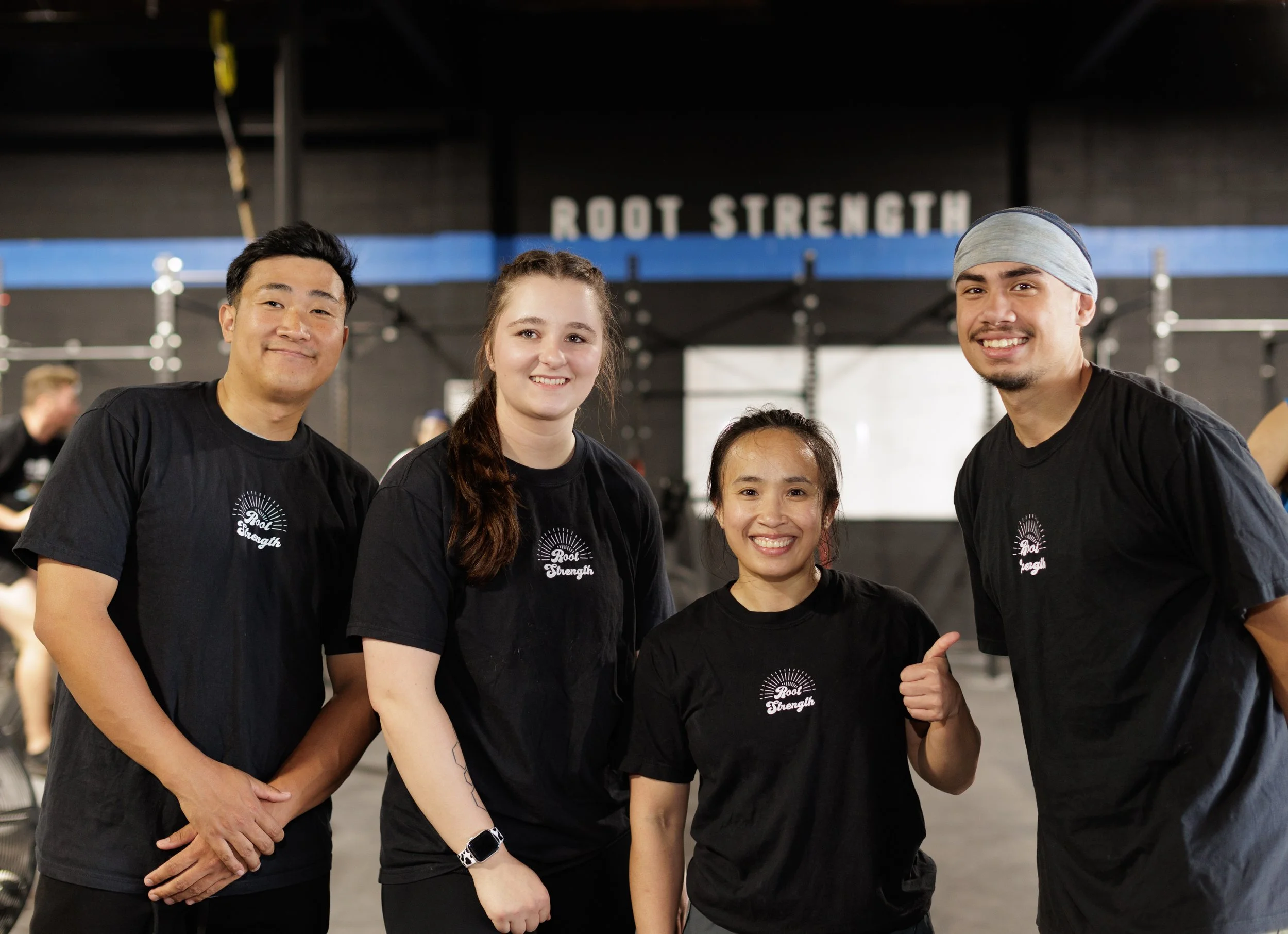
Root Physical Therapy is not a standalone clinic. We operate inside Root Strength — a coaching-led strength training facility in Georgetown, Seattle. Our treatment rooms, our clinicians, and our patients share a building with a full gym floor, strength coaches, a Muay Thai gym, and a sauna. This was a deliberate choice, and the clinical reasoning behind it is worth explaining.
The traditional model of physical therapy — treat in a clinic, discharge to home, hope the patient maintains their gains — has a well-documented failure point. The evidence increasingly supports an integrated approach where rehabilitation and exercise training exist in the same environment, supervised by clinicians and coaches who communicate. That's the model we built.
The Discharge Gap — A Documented Problem in Physical Therapy
The discharge gap refers to the period between when a patient completes their physical therapy plan of care and when they successfully return to full activity. For most patients, this is the least supervised and most vulnerable phase of recovery — and the evidence reflects that.
Research on exercise adherence following PT discharge consistently identifies the same pattern: patients report high motivation during supervised care, but adherence drops substantially once that supervision ends. A study on post-discharge exercise behavior found that 37% of patients no longer performed their home exercise program after completing physical therapy, with barriers including loss of structure, reduced accountability, and lack of access to appropriate equipment.
For athletes, the consequences are more acute. Research on ACL reconstruction outcomes found that 24% of young athletes experienced secondary ACL injuries within two years of returning to sport, often attributed to premature cessation of rehabilitation or inadequate neuromuscular recovery prior to return. The gap between clinical discharge and full sport readiness is where these failures occur.
The Evidence for Integrated Models
The clinical rationale for operating inside a gym is not convenience — it's outcome-driven. Three bodies of evidence directly support this model:
1. Strength training as injury prevention
A 2025 systematic review and meta-analysis (Chen et al., published in the American Journal of Sports Medicine) analyzed 16 randomized controlled trials evaluating strength-based injury prevention programs in contact sports. The pooled results demonstrated a statistically significant 30% reduction in overall injury relative risk (RR 0.70, 95% CI 0.60–0.82). Subgroup analysis found 63% reduction in hamstring injuries (RR 0.37, 95% CI 0.25–0.55) with single-component strength training programs.
The clinical implication: patients who transition from rehabilitation into a structured strength training environment have access to the most evidence-supported injury prevention intervention available. Operating inside a gym makes that transition immediate rather than aspirational.
2. Exercise-based rehabilitation produces superior outcomes
An umbrella review of systematic reviews on exercise therapy for low back pain (Journal of Clinical Medicine, 2025) found that 83% of included studies demonstrated improvement in pain outcomes with exercise-based interventions, and that individualized programs matched to patient needs consistently outperformed generic protocols. Similar findings extend to shoulder, knee, and hip pathology. The evidence base for active, exercise-based rehabilitation over passive treatment is now well-established across virtually all musculoskeletal conditions.
Operating inside a facility with full gym equipment means our late-stage rehabilitation can be genuinely exercise-based — using barbells, sleds, rowing machines, and loaded movements that replicate the demands patients will face in their training and daily activities. This is qualitatively different from what is possible in a clinic equipped only with resistance bands and therapy tables.
3. The supervised transition reduces re-injury
The concept of "bridging" the gap between clinical discharge and full return to activity is increasingly recognized in sports physical therapy literature. A 2015 paper in Physical Therapy in Sport argued that sport physical therapists and coaches work on fundamentally different timelines — therapists manage weeks of rehabilitation while coaches conceptualize months and years of athletic development — and that integrating these perspectives within a shared environment produces better return-to-sport outcomes than managing them separately.
Strength-based injury prevention programs produced a 30% reduction in overall sport injury risk (16 RCTs, pooled RR 0.70, 95% CI 0.60–0.82) and a 63% reduction in hamstring injuries (RR 0.37, 95% CI 0.25–0.55).
Source: American Journal of Sports Medicine, 2025. Systematic review and meta-analysis.
How the Integrated Model Works in Practice
At Root Physical Therapy, the integration with Root Strength is structural, not cosmetic. Here is what that means for patient care:
Clinician-coach communication
Our clinicians and Root Strength's coaching staff work in the same building and communicate directly about shared patients. When a patient who is also a gym member is in our care, their coach is informed about movement restrictions, loading guidelines, and return-to-training timelines. This replaces the typical model where a patient carries information between their PT and their gym — or more commonly, doesn't.
Equipment-appropriate late-stage rehabilitation
Our clinicians have access to Root Strength's full gym floor for patient care. Late-stage rehabilitation — the phase that prepares patients for the actual demands of their training or daily activities — is conducted using the equipment those demands require. For a patient returning to barbell training, we rehabilitate using barbells. For a patient returning to Muay Thai at Muok Boxing, we address the specific movement patterns and loading demands of that sport.
Seamless transition to supervised exercise
When patients complete their plan of care, they are already in the environment where they will continue training. The transition from rehabilitation to independent exercise does not require finding a new facility, learning a new space, or losing the clinical oversight that supported their recovery. This directly addresses the adherence problem documented in the discharge gap literature.

Combat Sports Rehabilitation — A Specific Application
Root Physical Therapy shares a building with Muok Boxing, a Muay Thai gym. Two of our clinicians — Dr. Andy Le and Bobby Green — are also Muay Thai coaches. This is relevant because combat sport rehabilitation requires understanding of sport-specific demands that most PT clinics do not have direct exposure to.
Concussion assessment and return-to-sport protocols, shoulder and wrist injuries from striking, knee and hip injuries from kicking and clinching, and the specific conditioning demands of fight preparation all benefit from clinicians who participate in the sport themselves. Our integrated model means that an athlete's PT and their coach may be the same person, or at minimum, are clinicians and coaches who communicate directly about the athlete's status.
Our Clinical Team
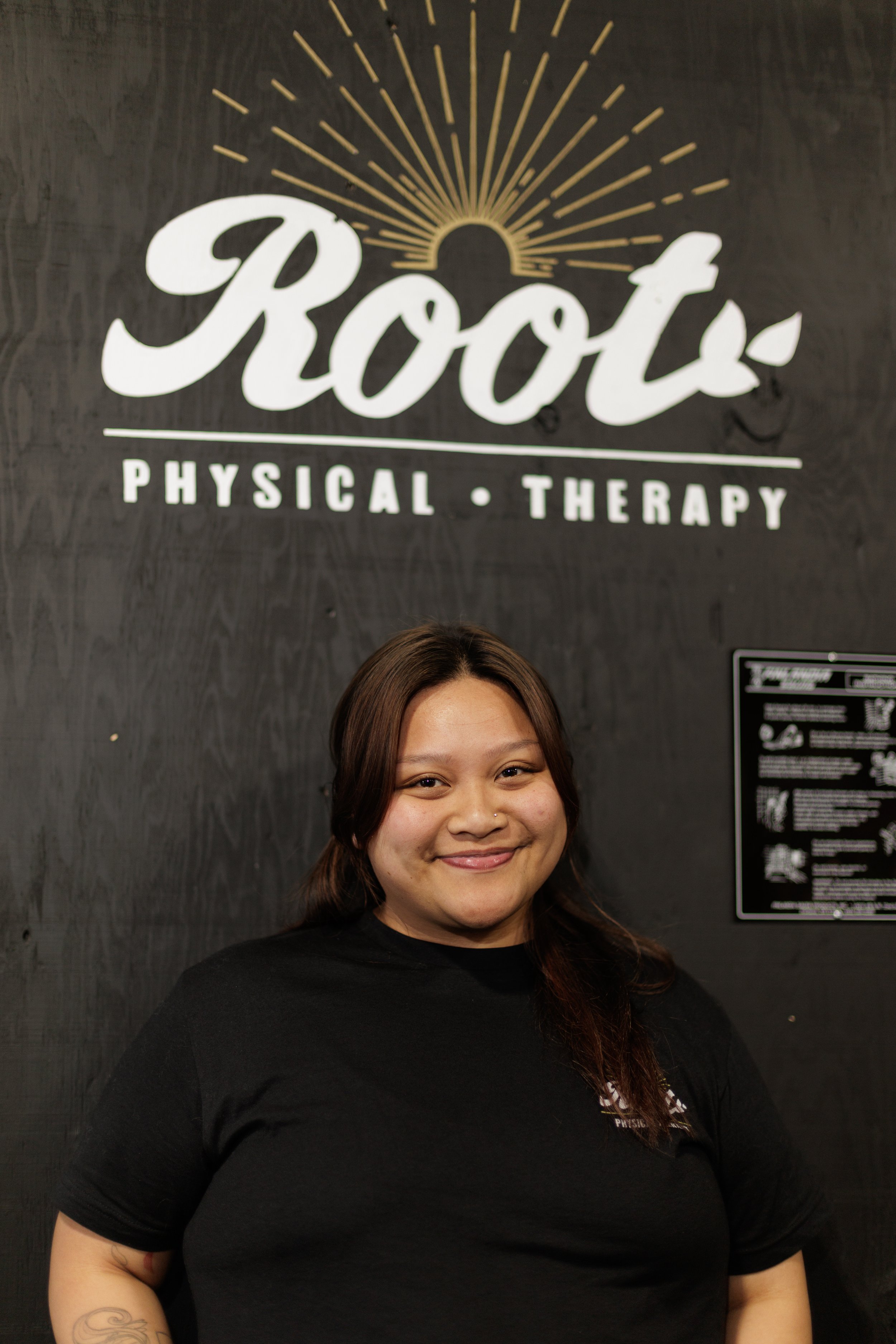
Root Physical Therapy + Root Strength gym + Muok Boxing — all at 6332 6th Ave S, Georgetown, Seattle.
Our clinicians share a building with strength coaches and Muay Thai coaches. Patient care, rehabilitation, and return-to-training happen in the same facility, supervised by professionals who communicate directly about shared patients.
Patient Access
Washington state provides direct access to physical therapy — no physician referral is required. Root Physical Therapy accepts most major insurance plans including Premera, Regence, Blue Cross Blue Shield, Aetna, and Anthem. Our clinic is located at 6332 6th Ave S, Georgetown, Seattle, inside Root Strength.
Accepting New Patients
No referral required. Most major insurance accepted. On-site at Root Strength Georgetown, Seattle.
Book an Assessment →- Chen Z, Wang J, Zhao K, He G. Adherence to strength training and lower rates of sports injury in contact sports: a systematic review and meta-analysis. American Journal of Sports Medicine. 2025. doi:10.1177/23259671251331134
- Hameed I, Farooq N, Haq A, et al. Role of strengthening exercises in management and prevention of overuse sports injuries of lower extremity: a systematic review. Journal of Sports Medicine and Physical Fitness. 2024;64(8):807–815.
- Impact of exercise therapy on outcomes in patients with low back pain: an umbrella review of systematic reviews. Journal of Clinical Medicine. 2025;14(17):5942.
- Exercise adherence following physical therapy intervention in older adults with impaired balance. Physical Therapy. 2006;86(3):401–410.
- Lorenz D, Morrison S. Periodization and physical therapy: bridging the gap between training and rehabilitation. Physical Therapy in Sport. 2015;16(3):230–237.
- Impact of exercise therapy on rehabilitation outcomes after anterior cruciate ligament reconstruction: a network meta-analysis. BMC Musculoskeletal Disorders. 2025.