The PT-to-Performance Bridge: why your care shouldn't end when the pain stops.
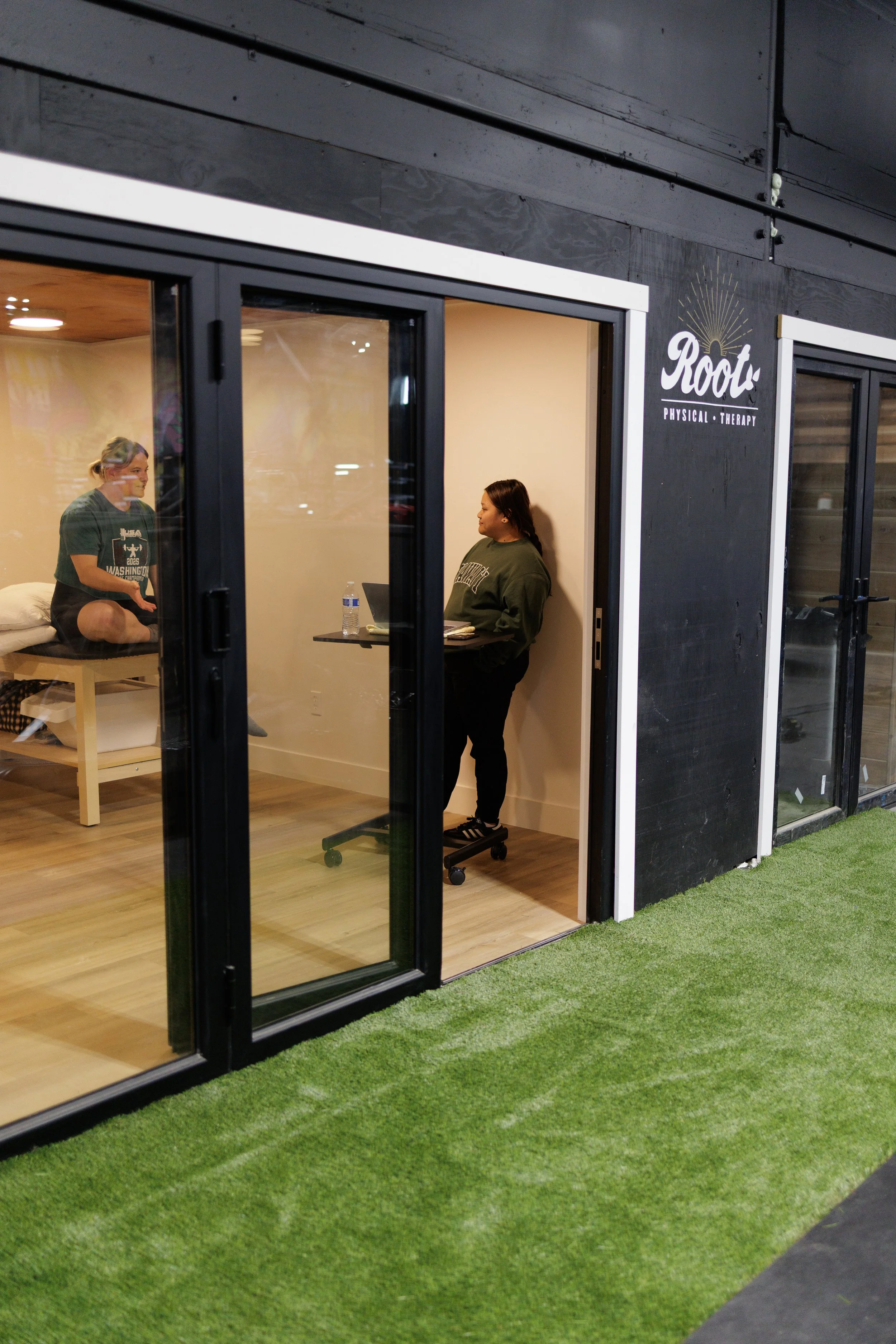
The PT-to-Performance Bridge: why your care shouldn't end when the pain stops.

There is a moment in almost every physical therapy plan of care that the profession does not talk about enough. The patient's pain is mostly gone. Their range of motion is back. Their strength is improving. By every conventional measure, they are ready for discharge — and so they are discharged, usually with a printed sheet of home exercises and a handshake.
What happens next is the problem. The gap between "pain-free" and "actually strong" is where most setbacks occur, and in the traditional model, patients cross that gap entirely alone. The load increases too quickly. The movements change without anyone watching. The patient feels better and assumes they are ready for everything they did before the injury — and sometimes they are not.
We built Root Physical Therapy inside a 9,000 square foot training facility specifically to close this gap. This post explains how our three-phase model works, why each phase exists, and what the research says about progressing patients based on objective criteria rather than the calendar.
The three phases, visualized
1-on-1 Physical Therapy
Dedicated sessions: assessment, clinical diagnosis, hands-on treatment, and a progressive plan built around your condition and goals. From day one, we establish the objective benchmarks you will need to meet to progress.
"This is where it starts."PT-to-Performance Bridge
Your care expands from one provider to a coordinated team on the gym floor. More complex movements, real weight, two providers on one plan. Entry is earned — the Bridge is a benchmark, not a timeline.
"Where rehab becomes training."Continuation Period
Full access to all Root Strength classes and open gym. You already know the coaches, the equipment, and the routine — the habit is built during the Bridge, not after it.
"Your work doesn't stop — and neither do we."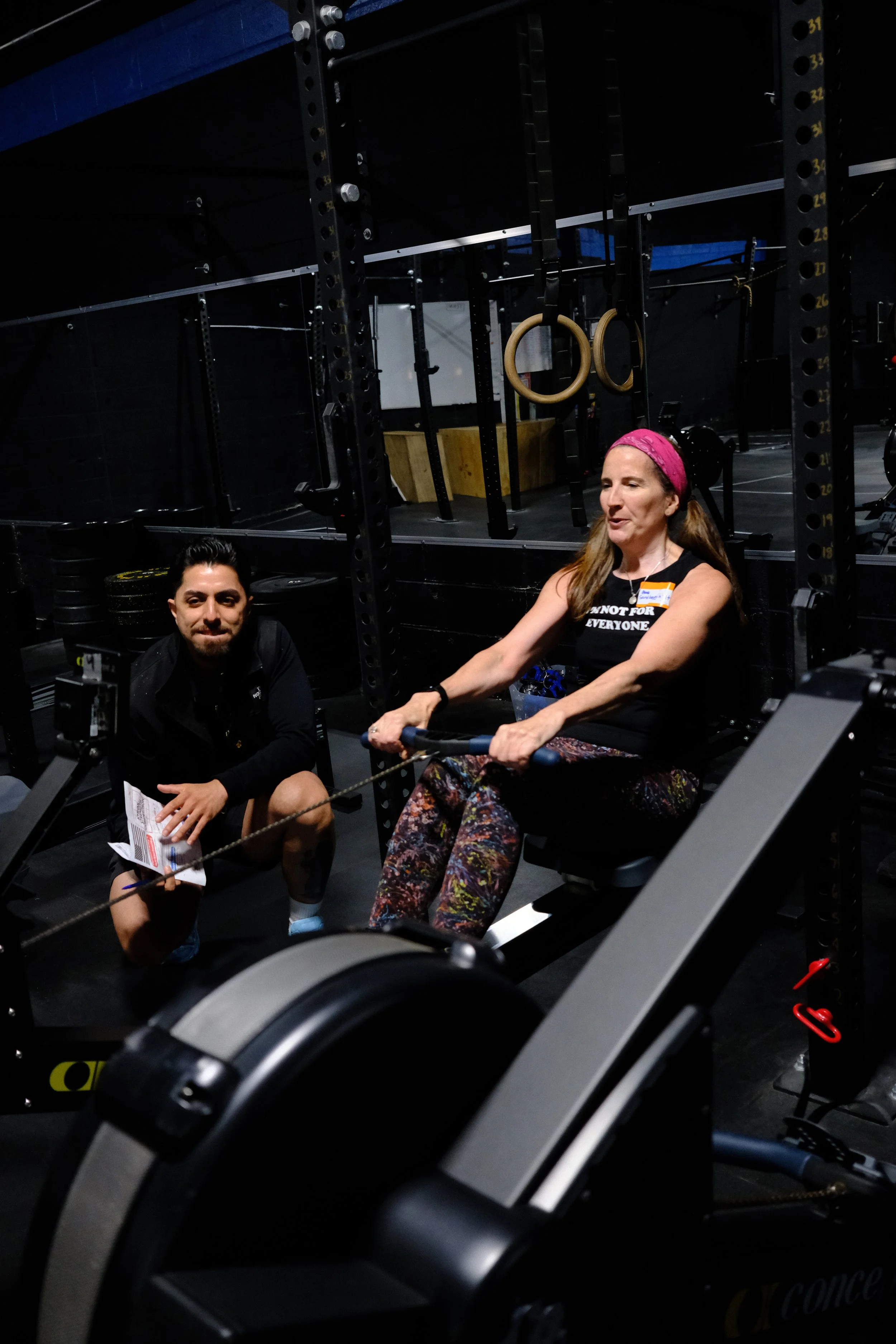
What the evidence says
The three-phase model rests on several well-established findings from the sports medicine and rehabilitation literature.
Criteria-based progression reduces reinjury. Beyond the Delaware-Oslo data, a 2019 systematic review and meta-analysis in the Journal of Orthopaedic & Sports Physical Therapy examined the relationship between passing return-to-sport criteria and second ACL injury risk, reinforcing that objective testing — particularly quadriceps strength symmetry of 90% or greater — is associated with lower reinjury rates (Losciale et al., 2019).
Premature return is a measurable risk. Each additional month that return to sport was delayed, up to nine months post-surgery, reduced knee reinjury incidence by 51% (Grindem et al., 2016). Athletes returning before nine months with even 90% strength symmetry faced a sevenfold higher risk of second injury in one Swedish cohort (Beischer et al., 2020). Time matters — but time plus criteria matters more.
Supervised, individualized exercise outperforms generic programs. Cochrane's review of exercise therapy for chronic low back pain found greater benefit in individually designed, supervised programs than in generic prescriptions (Hayden et al., 2021). The Bridge is, in effect, a supervised individualized program with two clinicians instead of one.
Who the Bridge is for
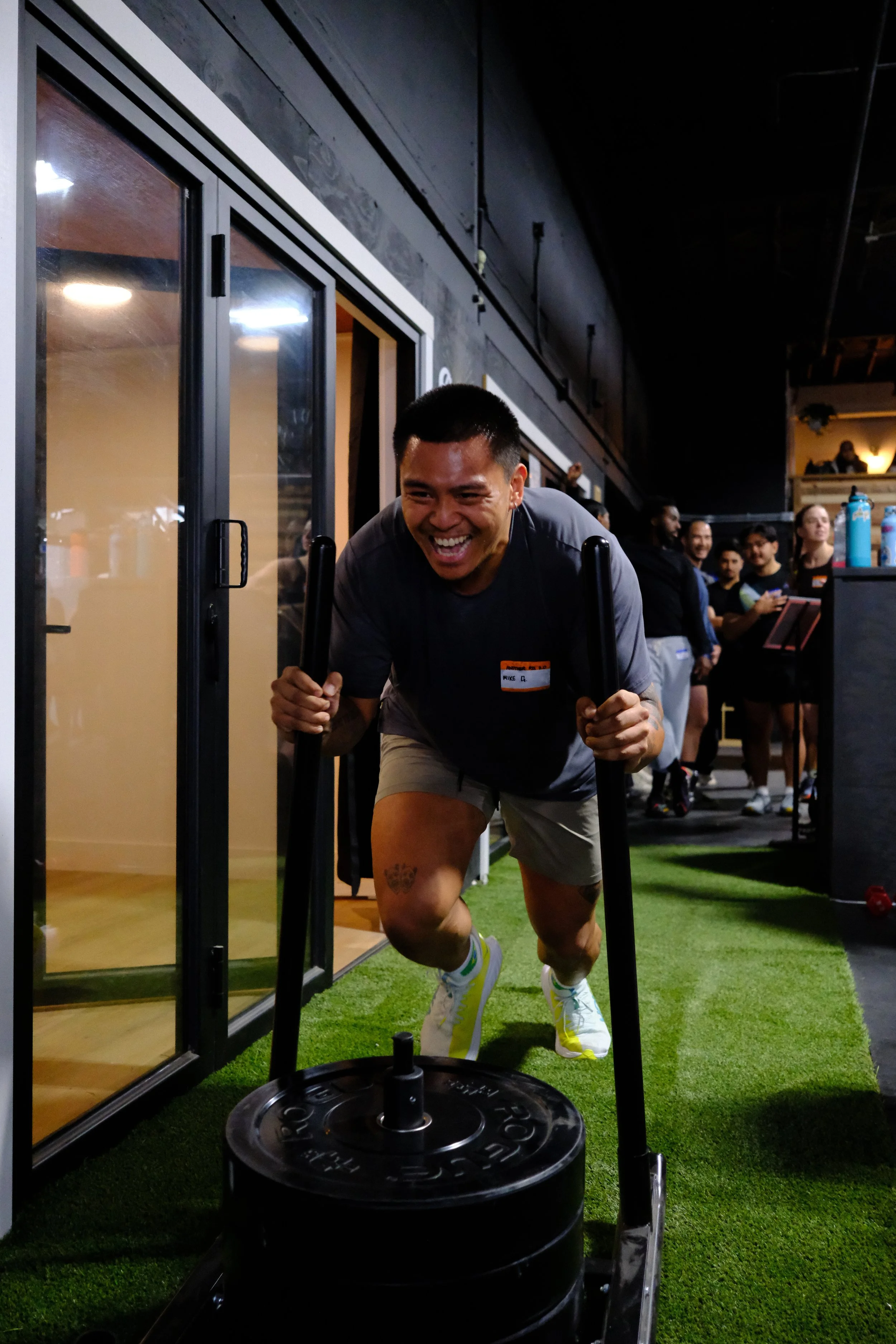
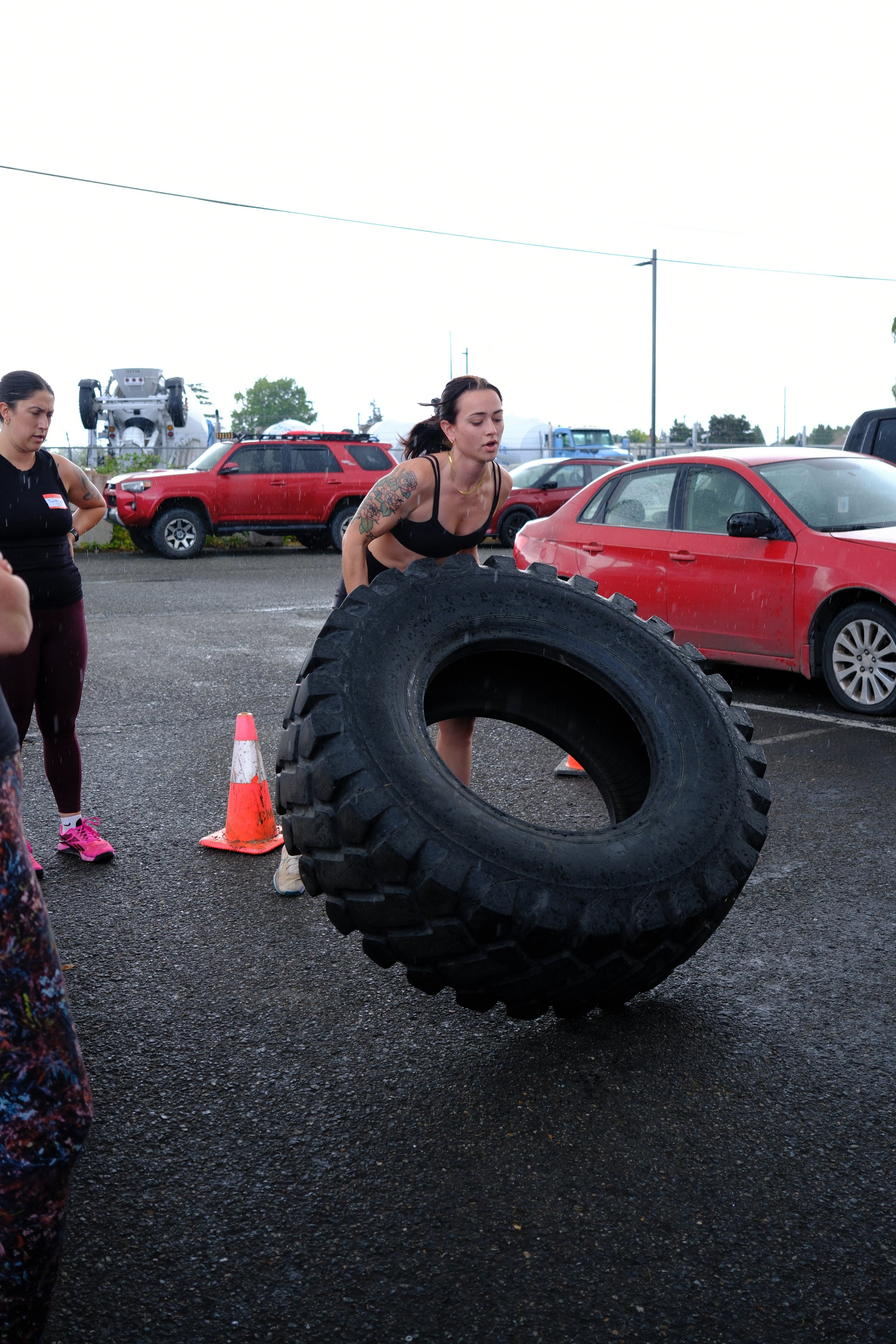
The model was designed with athletes in mind, but most of our Bridge patients are not competitive athletes. They are postpartum mothers returning to lifting after pelvic floor rehabilitation, adults recovering from rotator cuff repair who want to get back to the gym safely, desk workers whose back pain resolved and who want it to stay that way, and yes — fighters, powerlifters, and runners returning to sport.
If your goal after physical therapy is an active life — not just the absence of pain — the Bridge is the part of your care most clinics never offer.
Ready to start Phase 1?
Schedule an evaluation with our Doctors of Physical Therapy. No referral needed in Washington State. Most major insurance accepted and verified before your first visit.
Request an appointmentSources
- Grindem H, Snyder-Mackler L, Moksnes H, Engebretsen L, Risberg MA. Simple decision rules can reduce reinjury risk by 84% after ACL reconstruction: the Delaware-Oslo ACL cohort study. British Journal of Sports Medicine. 2016;50(13):804–808. doi:10.1136/bjsports-2016-096031
- Losciale JM, Zdeb RM, Ledbetter L, Reiman MP, Sell TC. The association between passing return-to-sport criteria and second anterior cruciate ligament injury risk: a systematic review with meta-analysis. Journal of Orthopaedic & Sports Physical Therapy. 2019;49(2):43–54. doi:10.2519/jospt.2019.8190
- Beischer S, Gustavsson L, Senorski EH, et al. Young athletes who return to sport before 9 months after anterior cruciate ligament reconstruction have a rate of new injury 7 times that of those who delay return. Journal of Orthopaedic & Sports Physical Therapy. 2020;50(2):83–90. doi:10.2519/jospt.2020.9071
- Hayden JA, Ellis J, Ogilvie R, Malmivaara A, van Tulder MW. Exercise therapy for chronic low back pain. Cochrane Database of Systematic Reviews. 2021;9:CD009790. doi:10.1002/14651858.CD009790.pub2