
Our Facility
The treatment table gets you ready. The gym floor makes you stronger.
Root Physical Therapy operates inside Root Strength — a 9,000 sq ft training facility in Georgetown, Seattle. We built a progressive care model that does not end when the pain stops. It carries you from focused clinical care into real training, with a coordinated team working alongside you at every stage.
The Phase Most Clinics Skip
The gap between "pain-free" and "actually strong."
In a traditional physical therapy model, patients are treated in a clinical room, handed a discharge sheet, and sent on their way. The transition from rehabilitation back to real training is left entirely to the patient — and it is where most setbacks happen.
Reinjury rates are highest in the first twelve weeks after discharge. Not because treatment failed, but because the return to activity was unguided. The load increased too quickly. The movements changed without clinical oversight. The patient felt better and assumed they were ready.
We built Root Physical Therapy inside a training facility to eliminate that gap — and to give patients something to work toward, not just something to recover from.
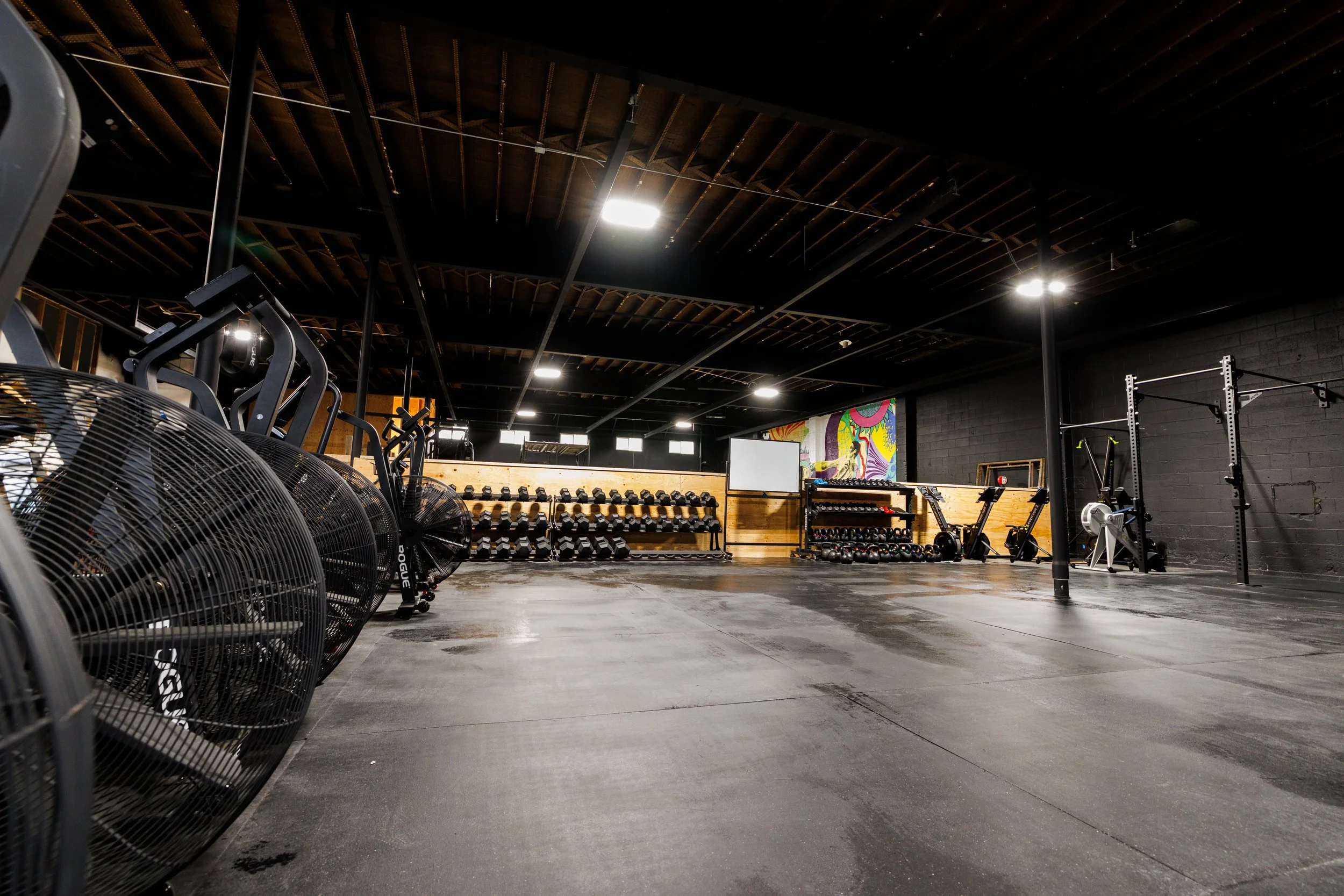
Phase 1 is where the foundation is built. Phase 2 is where it gets exciting — more complex movements, real weight, two providers coaching you through it. That is what our patients are working toward from day one.
The PT-to-Performance Bridge
Three phases. One continuous plan of care.
Most clinics offer Phase 1 and stop. We built a system that carries you from the treatment table to the gym floor — with your care expanding at each stage. The Bridge is not automatic. It is earned. Your clinical team will not move you forward until they are 100% confident your body is ready for what comes next.
Fig. 01 — The progressive care model, evaluation to independent training
1-on-1 Physical Therapy
Focused, dedicated sessions with your Doctor of Physical Therapy — assessment, diagnosis, hands-on treatment, and a plan built specifically around you. This phase builds the clinical foundation: reducing pain, restoring movement, and beginning the early stages of loading and strengthening. It is the foundation that makes everything else possible.
The PT-to-Performance Bridge
When your PT clears you, your care expands from a single provider to a coordinated team. Your Rehabilitation Strength Specialist coaches you 1-on-1 on the gym floor — more complex movements, real weight — while your PT assesses your movement and progresses your exercises so every session builds on the last. You are not getting less attention. You are getting more expertise working together on your behalf.
Continuation Period
Every patient who graduates receives a complimentary two-week Continuation Period: full access to all Root Strength classes and open gym. By this point you have already been training on the gym floor — you know the coaches, you have a routine. The Continuation Period is not introducing you to something new. It is giving you permission to keep doing what you are already doing.

Earning Phase 2
We will get you there. But not before you are ready.
The Bridge is not a timeline. It is a benchmark. Your physical therapist will not clear you for Phase 2 until they are 100% confident that your body can handle what comes next — the increased load, the more complex movement patterns, the demands of real training.
This is intentional. Progressing too early is how reinjuries happen. Progressing at the right time is how breakthroughs happen. Your PT sets the criteria. You work toward them. And when the day comes that your PT says "you are ready" — you will feel it. Because you earned it.
Not everyone gets there on the same timeline. That is the point. Your Bridge clearance is based on your body, your progress, and your goals — not a calendar.
What the Bridge Feels Like
Where rehab becomes training.
Phase 1 is clinical. It is necessary. It is the foundation. But Phase 2 is where patients start to feel like athletes again — or for the first time. The movements are more complex. The load is real. The environment is a gym floor, not a treatment room.
Complex, challenging, and purposeful
Phase 2 introduces movements your body was not ready for during Phase 1 — compound exercises, loaded patterns, sport-specific drills. Things that challenge your coordination, your strength, and your confidence. Things that feel like progress.
Barbells, dumbbells, and machines
You are training with the same equipment you will use independently. There is no gap between "rehab exercises" and "gym exercises" — because they happen in the same space, with the same team. The load is prescribed by your PT. The coaching comes from your Rehabilitation Strength Specialist.
More expertise, not less attention
Your PT is still leading your recovery — assessing your movement, progressing your exercises, ensuring every session builds on the last. Your Rehabilitation Strength Specialist is building your strength. Together, they take you further than either could alone.
Because it is
Patients who reach the Bridge know they have put in the work. Getting cleared for Phase 2 means your PT trusts where your body is. It means you have met specific benchmarks — strength, mobility, stability — that prove you are ready. That feeling of progress is part of the treatment.
Training should feel good
Recovery is hard. Phase 1 requires patience and trust. Phase 2 is the payoff — where patients start to enjoy what their body can do again. New movements. New challenges. A gym floor instead of a treatment table. This is what you have been building toward.
The real goal
Our goal is not to return you to baseline. A shoulder that has been through proper rehab and maintained correctly is often more durable than one that was never injured. The Bridge builds something that passive rest never could — lasting strength, better movement patterns, and habits that protect you going forward.
Who This Is For
Whether you have never touched a barbell or you compete at the national level.
The PT-to-Performance Bridge is not only for athletes. It is for anyone recovering from an injury who wants more than "pain-free" — who wants to come back stronger, more confident, and with habits that last.
Patients who benefit most from this model include those recovering from orthopedic surgery, active adults managing chronic pain who want to build resilience through strength training, postpartum women returning to exercise after pelvic floor rehabilitation, recreational and competitive athletes returning to sport, and anyone who has been told to "just rest" and wants a better plan.
You do not need to be a Root Strength member to access the Bridge. It is available to all Root Physical Therapy patients as part of your plan of care.
About Root Strength
Georgetown's strength training facility.
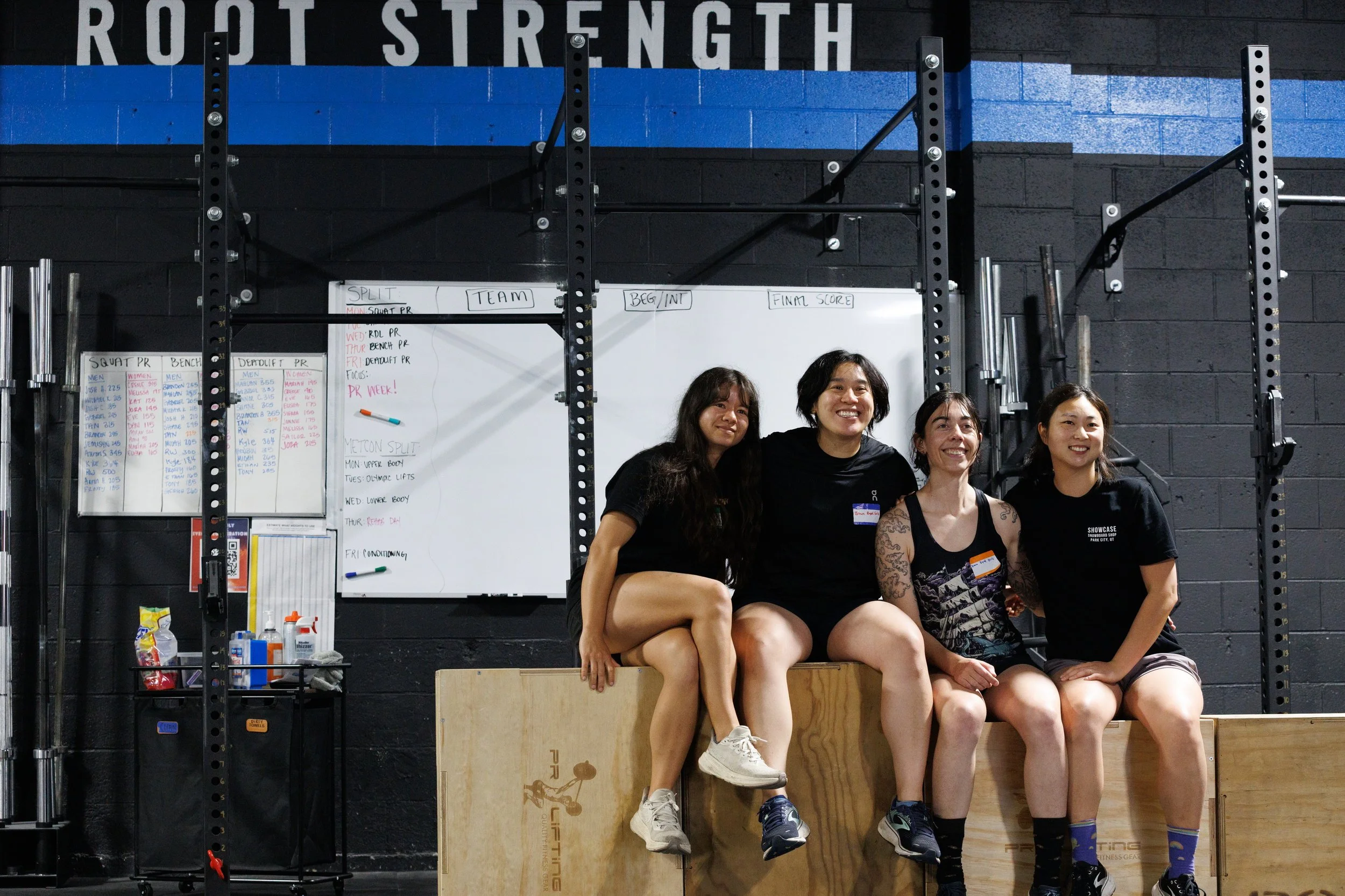
Root Strength is a 9,000 sq ft strength training gym in Georgetown, Seattle. It offers coached group classes, individualized programming, open gym access, and a full-service sauna. The facility is equipped for powerlifting, functional strength, metabolic conditioning, and sport-specific training.
Root Strength's coaching staff includes Doctors of Physical Therapy and certified strength coaches who understand how to train around injuries, manage load progressions, and support long-term athletic development. It is where Phase 2 and Phase 3 happen — and it is where most of our PT patients continue training long after they graduate.
Get Started
This is what you have been building toward.
Schedule an evaluation with our Doctors of Physical Therapy. We will assess your condition, build a treatment plan, and — when your body has earned it — expand your care into the Bridge. Phase 1 is where it starts. Phase 2 is where it gets exciting.