Sauna and recovery — a clinical guide from Root Physical Therapy
Sauna and recovery — a clinical guide from Root Physical Therapy
Heat therapy is one of the oldest interventions in medicine, and sauna bathing — Finnish-style sauna in particular — is among the best-studied forms of whole-body heat exposure in the current literature. Over the past decade, the evidence base has expanded substantially, driven in large part by the Finnish cohort studies published in JAMA Internal Medicine and the accumulating randomized controlled trial data on post-exercise heat exposure summarized in a 2025 systematic review in Sports Medicine — Open.
As Doctors of Physical Therapy, heat is a tool we have always used clinically — localized heat application to improve tissue extensibility, reduce pain, and facilitate manual therapy. The sauna evidence extends this principle to the whole body, with implications that go beyond musculoskeletal recovery into cardiovascular health, pain management, and long-term mortality risk. This post summarizes the current evidence as it applies to our patient population and explains how we integrate sauna into patient care.
One building, two teams, one patient experience.
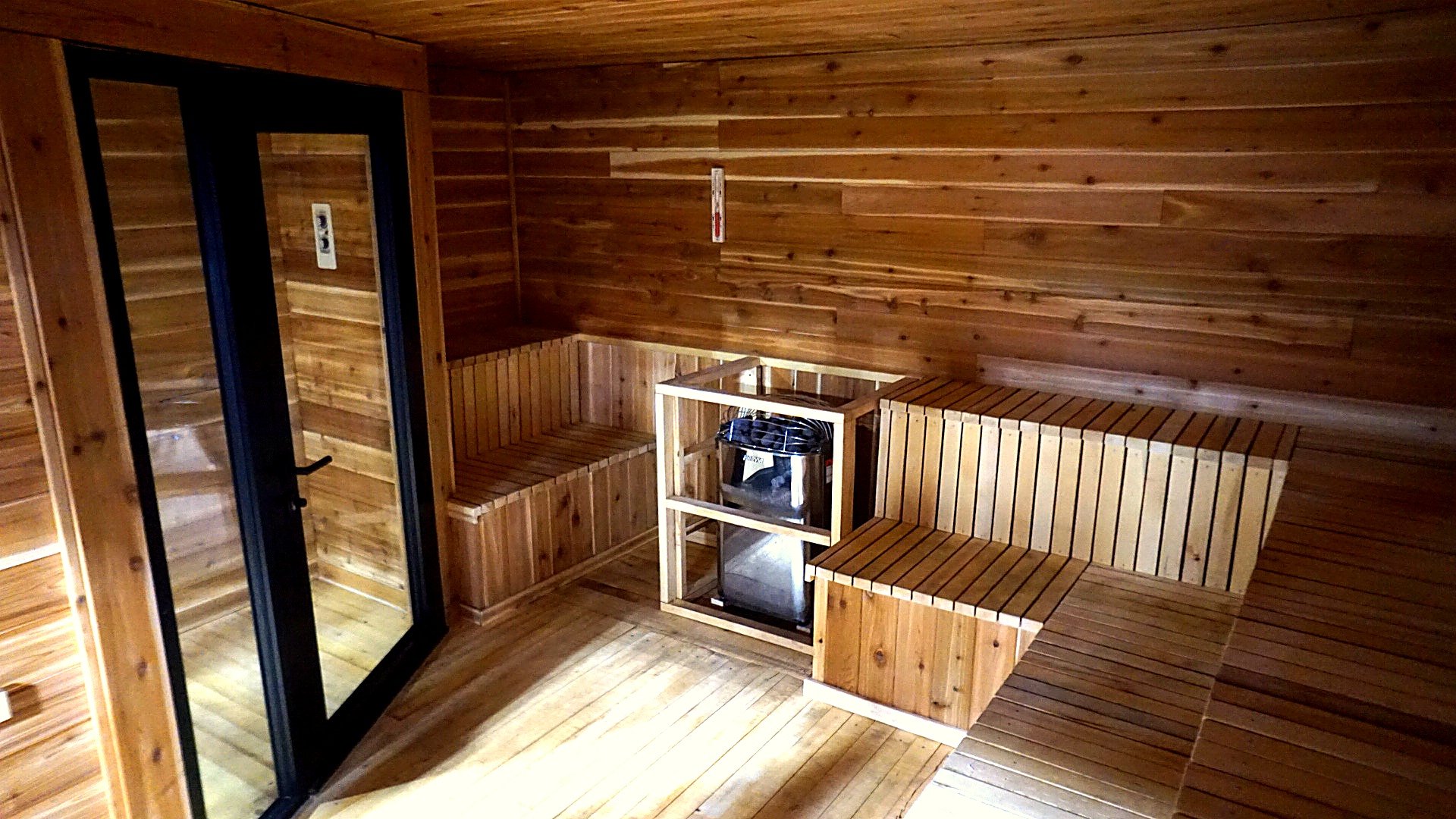
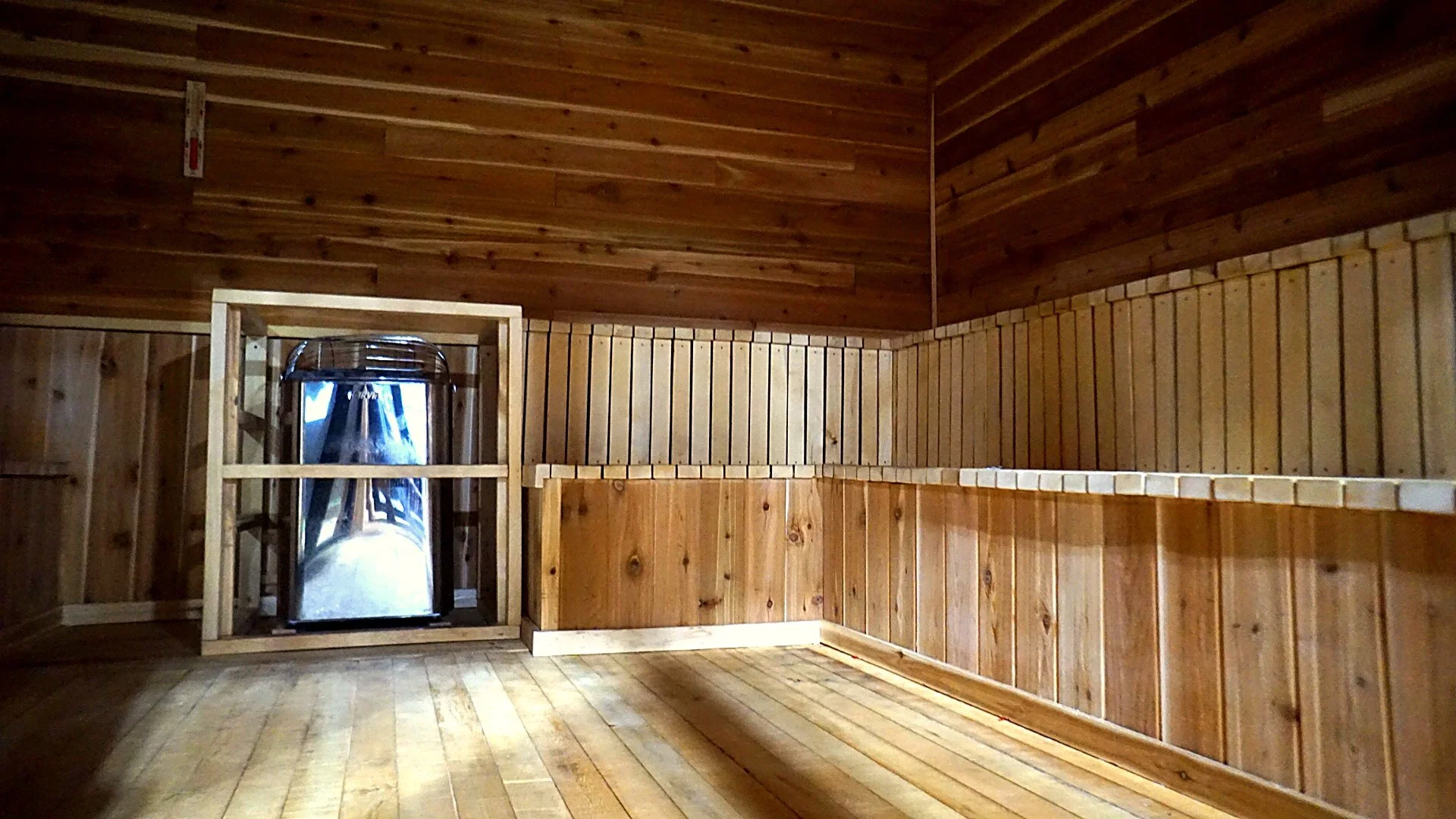
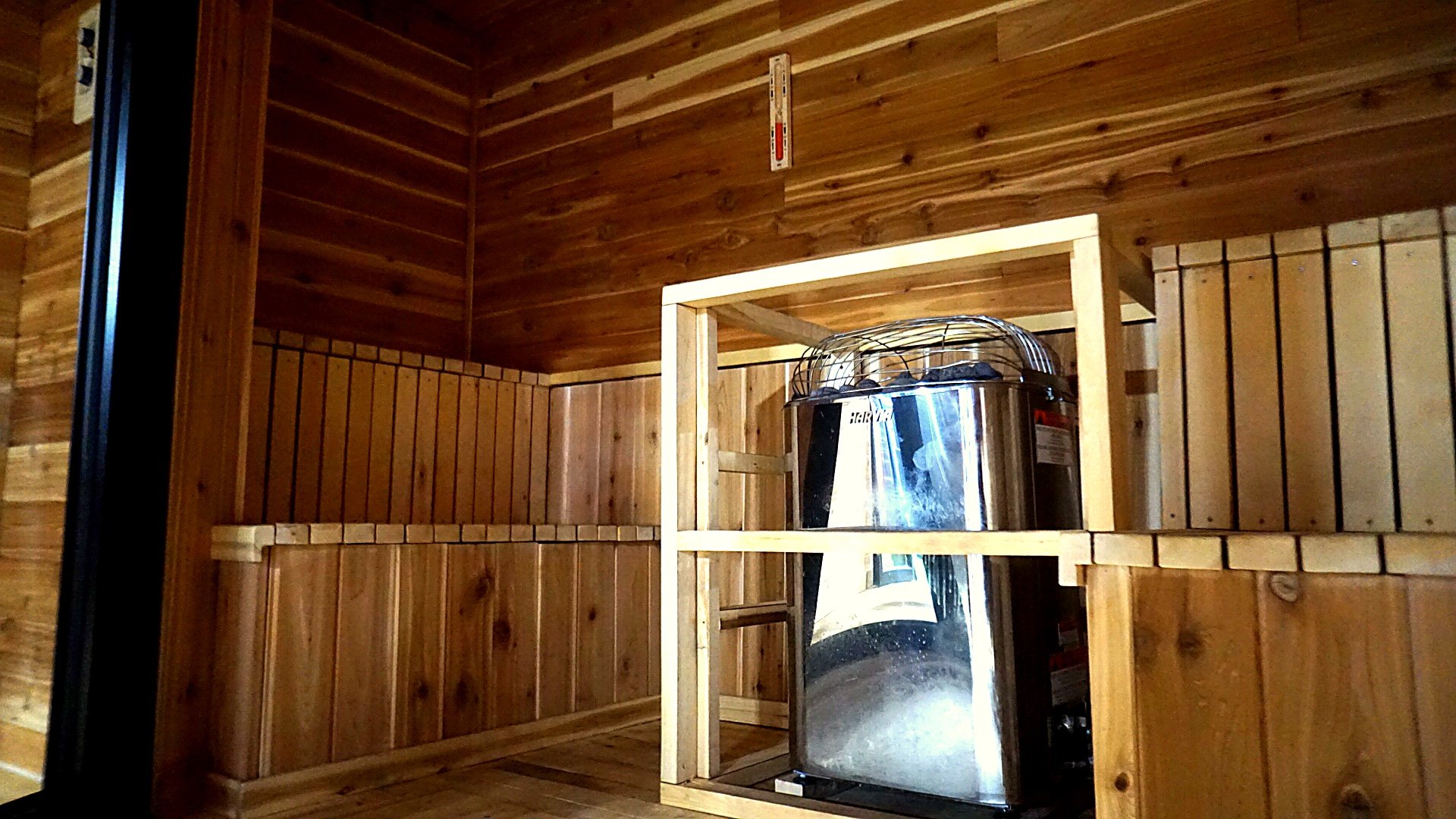
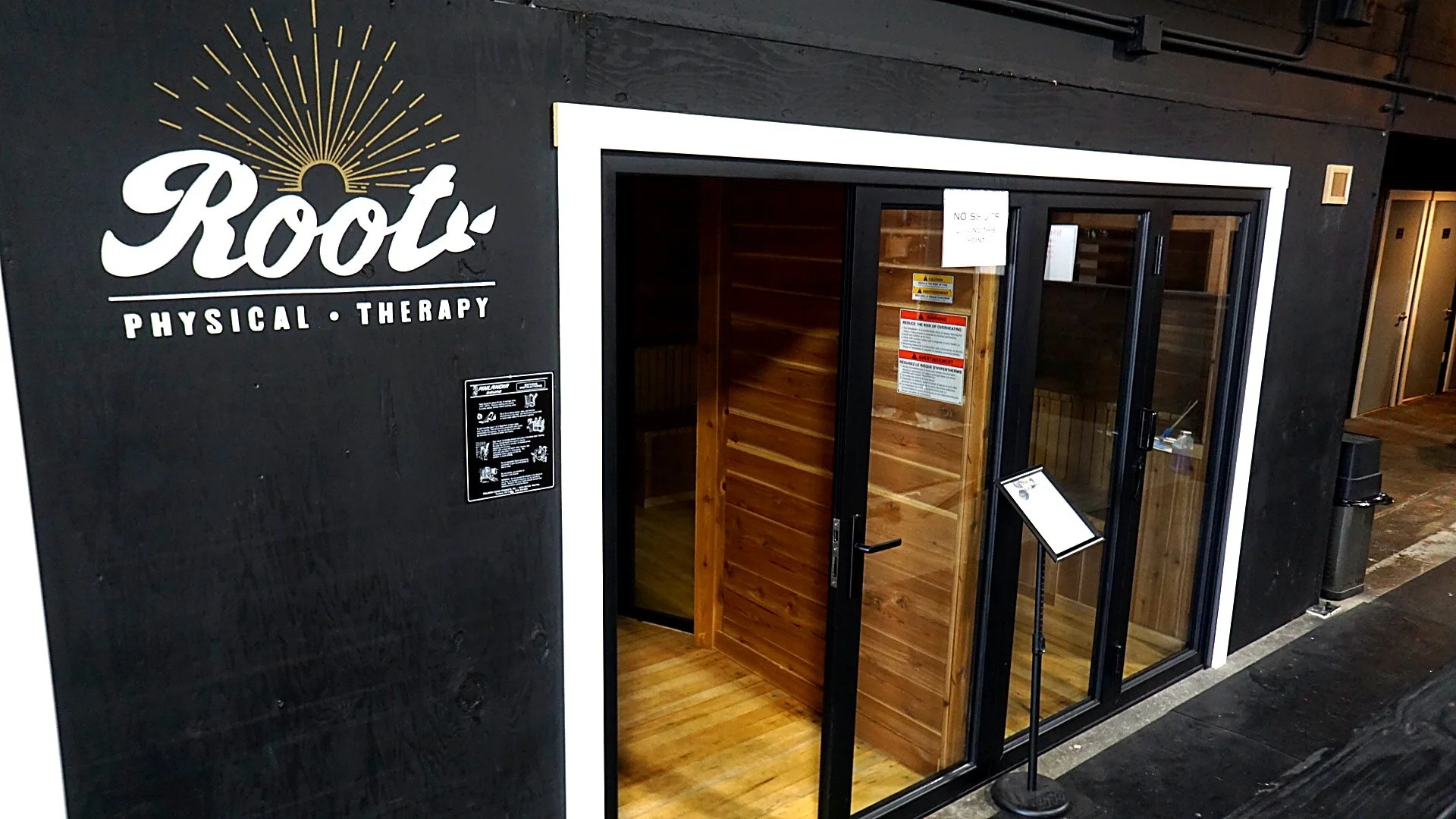
Root Physical Therapy operates inside Root Strength — a coaching-led strength training gym in Georgetown, Seattle. Our PT clinic and the gym share a building, a philosophy, and many of the same patients. Root Strength houses a custom-built 12-person Finnish-style sauna that is available to all gym members as part of their membership.
For our PT patients who are also Root Strength members, the sauna is a recovery tool we can integrate directly into their rehabilitation plan — recommending specific protocols, timing relative to training sessions, and monitoring the response as part of their ongoing care. For patients who are not gym members, we can still discuss sauna use and provide evidence-based guidance on incorporating heat exposure into their recovery, whether at Root Strength or elsewhere.
This integrated model — physical therapy and strength training in the same facility, with a shared sauna and direct communication between the PT and coaching teams — is one of the things that makes our approach different. The for-the-gym perspective on sauna is covered in our companion post at Root Strength: The Sauna at Root Strength — What It Actually Does for Your Training.
The evidence — what sauna actually does physiologically
Sauna bathing produces a well-characterized set of acute physiological responses that, with repeated exposure, drive chronic adaptations. Understanding these mechanisms is relevant for clinical decision-making about when to recommend sauna and when to advise caution.
Acute responses
During a typical Finnish sauna session (15–20 minutes at 170–200°F), core body temperature rises by 1–2°C. Heart rate increases to 100–150 bpm — a cardiovascular demand comparable to moderate-intensity exercise. Cardiac output increases substantially, driven primarily by heart rate elevation and redistribution of blood flow to the skin for thermoregulation. Peripheral vasodilation occurs, reducing systemic vascular resistance and temporarily lowering blood pressure. Growth hormone secretion increases acutely — though the clinical significance of this transient elevation for muscle recovery is debated. Heat shock protein expression increases — a cellular stress response that appears to play a role in tissue repair and protection against subsequent stress.
Chronic adaptations with repeated exposure
With regular use (multiple sessions per week over weeks to months), the following adaptations are well-documented: improved endothelial function (the ability of blood vessels to dilate and constrict appropriately), reduced resting blood pressure, improved autonomic nervous system regulation (reduced sympathetic tone, increased parasympathetic activity), expanded plasma volume (relevant for endurance athletes and heat acclimation), and improved thermoregulatory efficiency (earlier onset of sweating, more effective heat dissipation).
The cardiovascular and mortality data
The most clinically significant body of evidence comes from the Kuopio Ischaemic Heart Disease Risk Factor (KIHD) Study — a prospective cohort of 2,315 middle-aged Finnish men followed for over 20 years, with results published by Laukkanen and colleagues in JAMA Internal Medicine (2015) and subsequent journals. The findings demonstrate a clear, dose-dependent inverse relationship between sauna frequency and mortality.
Compared to men who used the sauna once per week, those who used it 4–7 times per week had a 63% lower risk of sudden cardiac death, a 50% lower risk of fatal cardiovascular disease, and a 40% lower risk of all-cause mortality. These associations were independent of age, physical activity level, socioeconomic status, and conventional cardiovascular risk factors. Subsequent analyses from the same cohort extended the associations to reduced risk of stroke, hypertension, and dementia. A 2018 study expanded the mortality findings to include women, with similar dose-dependent associations.
A 2023 review published in Mayo Clinic Proceedings concluded that the combination of sauna bathing with exercise and other lifestyle factors confers additional health benefits beyond either alone — with individuals who had high cardiorespiratory fitness and frequent sauna use showing a 69% lower risk of sudden cardiac death compared to those with low fitness and infrequent sauna use. The evidence supports sauna as a complementary health intervention that compounds the benefits of physical activity rather than replacing it.
Sauna for musculoskeletal recovery — what the evidence supports
The application of sauna to athletic and musculoskeletal recovery has a growing evidence base. A 2025 systematic review in Sports Medicine — Open (Ahokas et al.) examined randomized and crossover trials comparing post-exercise whole-body heat exposure to passive or placebo recovery, with the search updated through June 2025. The review identified benefits in both subjective recovery metrics and objective performance markers.
Delayed onset muscle soreness (DOMS)
A 2021 systematic review and meta-analysis of 32 randomized controlled trials found that heat therapy reduces DOMS pain, with evidence comparable to cold therapy. This challenges the longstanding assumption that cold is inherently superior for post-exercise recovery — heat therapy may be equally effective for soreness reduction, with additional cardiovascular and relaxation benefits that cold does not provide.
Neuromuscular recovery
A 2025 study published in Frontiers in Sports and Active Living (Ahokas et al.) examined the effects of repeated post-exercise infrared sauna on neuromuscular performance and muscle hypertrophy. The findings supported improved recovery of neuromuscular function with repeated sauna use following resistance training — relevant for patients who are both in PT and training at the gym.
Pain management
Heat therapy has established evidence for pain management in several conditions we treat regularly: chronic low back pain, osteoarthritis, fibromyalgia, and chronic musculoskeletal pain syndromes. The sauna applies this principle at a whole-body level, with the additional benefit of cardiovascular conditioning and the endorphin response associated with heat exposure. For patients with chronic pain conditions, regular sauna use can be a meaningful adjunct to active rehabilitation — not as a substitute for exercise and manual therapy, but as a component that facilitates both by reducing pain and improving recovery capacity between sessions.
Clinical applications — how we use sauna in patient care
Our location inside Root Strength gives us direct access to a 12-person Finnish-style sauna. For patients who are Root Strength members, we integrate sauna into their care plan when clinically appropriate. Here is how that works in practice.
-
01
Screen for contraindications
Before recommending sauna, we screen for conditions where heat exposure may not be appropriate: uncontrolled hypertension, unstable cardiovascular disease, recent cardiac event, pregnancy, active infection or fever, and medication use that impairs thermoregulation. For patients with well-managed cardiovascular conditions, sauna may still be appropriate — the KIHD data was drawn from a general middle-aged population that included individuals with cardiovascular risk factors.
-
02
Match the protocol to the clinical goal
For post-surgical or post-injury patients in early rehabilitation: typically not yet appropriate. The acute inflammatory response following surgery or significant injury should be allowed to proceed without additional thermal stress. For patients in mid-to-late rehabilitation with resolved acute inflammation: sauna can facilitate recovery between rehabilitation sessions, improve tissue extensibility before manual therapy, and contribute to cardiovascular reconditioning. For patients with chronic pain conditions: regular sauna use (3–5 times per week) can be integrated as a long-term management strategy alongside active rehabilitation and exercise.
-
03
Coordinate with the Root Strength coaching team
For patients who are also training at Root Strength, we coordinate sauna recommendations with their training schedule. Post-training sauna has the strongest recovery evidence. We communicate directly with the coaching team about timing, frequency, and any modifications needed based on the patient's clinical status. This coordination — PT and coaching in the same building, working from the same information — is one of the practical advantages of our integrated model.
-
04
Monitor and adjust
We track the patient's response to sauna as part of their overall rehabilitation progress — subjective recovery, pain levels, sleep quality, and functional performance. If sauna is producing a net benefit, we maintain or increase frequency. If it is not contributing meaningfully or is causing excessive fatigue or dehydration, we modify or remove it from the plan. The decision is data-driven, not dogmatic.
Who benefits most from sauna in a PT context
- Active individuals recovering from overuse injuries — knee pain, shoulder pain, tendinopathies — who are also training regularly
- Patients with chronic musculoskeletal pain — chronic low back pain, osteoarthritis, fibromyalgia
- Athletes in mid-to-late rehabilitation looking to accelerate recovery between sessions
- Patients with cardiovascular risk factors who are medically cleared and actively exercising
- Endurance athletes seeking heat acclimation before warm-weather competition
- Patients with chronic stress, poor sleep, or high sympathetic tone who need autonomic regulation support
- Acute post-surgical patients (first 2–6 weeks depending on procedure)
- Patients with acute inflammatory conditions — sauna adds thermal stress to an already-elevated inflammatory state
- Patients with uncontrolled hypertension or unstable cardiovascular disease
- Pregnant patients — insufficient safety data to recommend routinely
- Patients taking medications that impair thermoregulation or hydration (diuretics, beta-blockers, anticholinergics)
- Patients with multiple sclerosis or other conditions where elevated core temperature provokes symptoms (Uhthoff phenomenon)
Sauna timing relative to PT sessions
A question patients frequently ask: should I sauna before or after my PT appointment?
After PT is generally preferable for most patients. The rationale: sauna produces vasodilation, reduced muscle tone, and temporary changes in proprioception — all of which can affect the accuracy of clinical assessment and the specificity of therapeutic exercise. If you sauna before your appointment, I may not be assessing your actual baseline. After the session, sauna can complement the work we've done — maintaining the tissue extensibility achieved through manual therapy and facilitating the recovery process from the rehabilitation exercises performed during the visit.
Before PT may be appropriate in specific cases — particularly for patients with high resting muscle tone or significant pain that limits the assessment. In these cases, a brief sauna session (10–15 minutes) can reduce guarding and improve tissue compliance, allowing for a more effective clinical visit. This is a case-by-case decision that your PT will guide.
Hydration — the most commonly neglected variable
A single 15–20 minute sauna session can produce 0.5–1.0 kg of sweat loss — a meaningful fluid deficit. For patients who are also training, the combined fluid loss from exercise and sauna can approach levels that impair recovery if not replaced. Our recommendation: 16–24 oz of water before entering the sauna, and at least the same amount after. Electrolyte replacement may be appropriate for patients who train intensely and sauna regularly — particularly during Seattle's warmer months when baseline fluid loss is already elevated.
For patients with plantar fasciitis, sciatica, or other conditions where tissue hydration affects symptom presentation, dehydration from sauna use without adequate replacement can temporarily worsen symptoms — another reason hydration guidance is part of the sauna protocol we prescribe.
The bottom line — a tool, not a treatment
Sauna is not a standalone treatment for any condition we manage. It is a recovery and health tool with a robust evidence base — stronger than most supplements, modalities, or wellness trends — that meaningfully complements active rehabilitation when used appropriately. The cardiovascular and longevity data is compelling. The recovery data is solid and growing. The practical advantage of having a sauna in the same building as our PT clinic is that we can integrate it into patient care directly rather than hoping patients seek it out independently.
For the gym-member perspective on sauna — including the practical protocols for post-training use, the cardiovascular benefit framework, and heat acclimation for endurance athletes — see the companion post from our colleagues at Root Strength: The Sauna at Root Strength — What It Actually Does for Your Training.
Common questions about sauna and PT
The sauna is located inside Root Strength and is available to gym members as part of their membership. If you are a PT patient but not a gym member, you can discuss membership options with the Root Strength team — or we can provide evidence-based guidance on sauna use that you can apply elsewhere. See Root Strength pricing →
Not immediately. The acute post-surgical period involves controlled inflammation that is part of the healing process — adding whole-body heat exposure during this window can be counterproductive. Sauna is typically appropriate once acute inflammation has resolved and the patient has progressed to the active rehabilitation phase. Your PT will advise on timing specific to your procedure.
After is generally preferable. Sauna before can alter your baseline muscle tone and proprioception, which affects the accuracy of clinical assessment. After PT, sauna can complement the session by maintaining tissue extensibility and facilitating recovery. Exceptions exist — ask your PT.
Potentially. The evidence supports regular sauna use as an adjunct for chronic musculoskeletal pain conditions, including chronic low back pain and osteoarthritis. It is not a substitute for active rehabilitation and exercise, but it can reduce pain and improve recovery capacity between sessions — which often allows patients to participate more fully in their rehabilitation program.
The strongest cardiovascular and health benefits are associated with 4–7 sessions per week. For recovery specifically, using the sauna after each training session (typically 3–5 times per week) is a practical and evidence-supported dose. Your PT can recommend a specific frequency based on your clinical goals and current health status.
Both have evidence for reducing post-exercise soreness. The 2021 systematic review of 32 RCTs found comparable pain reduction between heat and cold therapy for DOMS. Sauna offers additional cardiovascular and longevity benefits that cold exposure does not. The two also serve different physiological purposes: cold restricts blood flow and reduces acute inflammation; heat promotes blood flow and facilitates tissue repair. They can be complementary rather than competing strategies. See training through pain vs. training around pain for more on managing recovery strategies.
Questions about sauna and your recovery?
Our PT team can assess whether sauna is appropriate for your specific situation and integrate it into your care plan. We're located inside Root Strength Georgetown — the sauna is steps away.
Request an appointment- Knee pain — when to see a PT
- Shoulder pain — when stretching isn't fixing it
- Low back pain — when is it serious?
- Sciatica — when to see a PT
- Plantar fasciitis — what actually helps
- PT vs. chiropractor vs. massage
- Training through pain vs. training around pain
- What to expect at your first PT appointment
- Conditions we treat
- Insurance & pricing